Spice Up Your Veggies with Gochujang Broccoli Magic
There’s something truly special about a vegetable side that can steal the show, and for me, that’s exactly what Gochujang Broccoli does. It’s not just broccoli tossed in a spicy-sweet sauce; it’s a little bite of comfort and adventure all at once. I remember the first time I whipped up this dish on a busy weeknight, trying desperately to make something both quick and exciting for my family. The kids, usually hesitant about anything green, ended up asking for seconds, and my husband gave me that look—the one that says, “You really nailed it.” Moments like those remind me how food can turn an ordinary evening into a memory worth savoring.
Table of Contents
Why You’ll Love This Gochujang Broccoli
If you’re anything like me—a busy mom who loves to bring warmth and flavor to the dinner table without spending hours in the kitchen—this Gochujang Broccoli recipe will quickly become a favorite. First off, it’s incredibly simple to prepare, which means it fits perfectly into the whirlwind of school runs, work deadlines, and family chaos. But don’t let that simplicity fool you; the bold, spicy-sweet kick of gochujang paired with tender roasted broccoli creates a harmony of flavors that’s both comforting and exciting.
One of my favorite things about this recipe is how it brings a little bit of my grandmother’s kitchen magic into our modern life. Just like she taught me that pinch of this and handful of that could transform dishes, this recipe lets you play with flavors without needing a complicated list of ingredients. Plus, it’s a fantastic way to sneak in extra veggies for picky eaters. I often find myself making this dish alongside a roasted chicken or a quick rice bowl, creating meals that feel both special and nourishing.
Ingredients You’ll Need for This Gochujang Broccoli

- 1 large head of broccoli (about 4 cups florets)
- 2 tablespoons gochujang (Korean chili paste)
- 1 tablespoon soy sauce (low sodium preferred)
- 1 tablespoon honey or maple syrup (for a touch of sweetness)
- 1 tablespoon sesame oil
- 2 cloves garlic, minced
- 1 teaspoon rice vinegar or apple cider vinegar
- 1 tablespoon toasted sesame seeds (for garnish)
- 1 tablespoon vegetable oil (for roasting)
- Optional: 1 teaspoon grated fresh ginger for extra zing
If you don’t have gochujang on hand, you can substitute it with a mix of miso paste and a dash of chili sauce for a milder flavor. For soy sauce, tamari works well if you want a gluten-free option. And if you’re avoiding honey, maple syrup or agave syrup are easy swaps—my kids love the slightly different sweetness maple brings to the table.
Nutrition Facts
- Calories: Approximately 150 per serving (based on 4 servings)
- Protein: 5g
- Fat: 8g (mostly healthy fats from sesame and vegetable oil)
- Carbohydrates: 15g
- Fiber: 5g
- Sugar: 6g (natural sugars from honey/maple and veggies)
- Sodium: 400mg (can be reduced by using low-sodium soy sauce)
This dish is a wonderful way to get your daily veggies and fiber, with the added bonus of healthy fats. I love knowing I’m feeding my family something nutritious that also hits all those crave-worthy flavor notes.
Print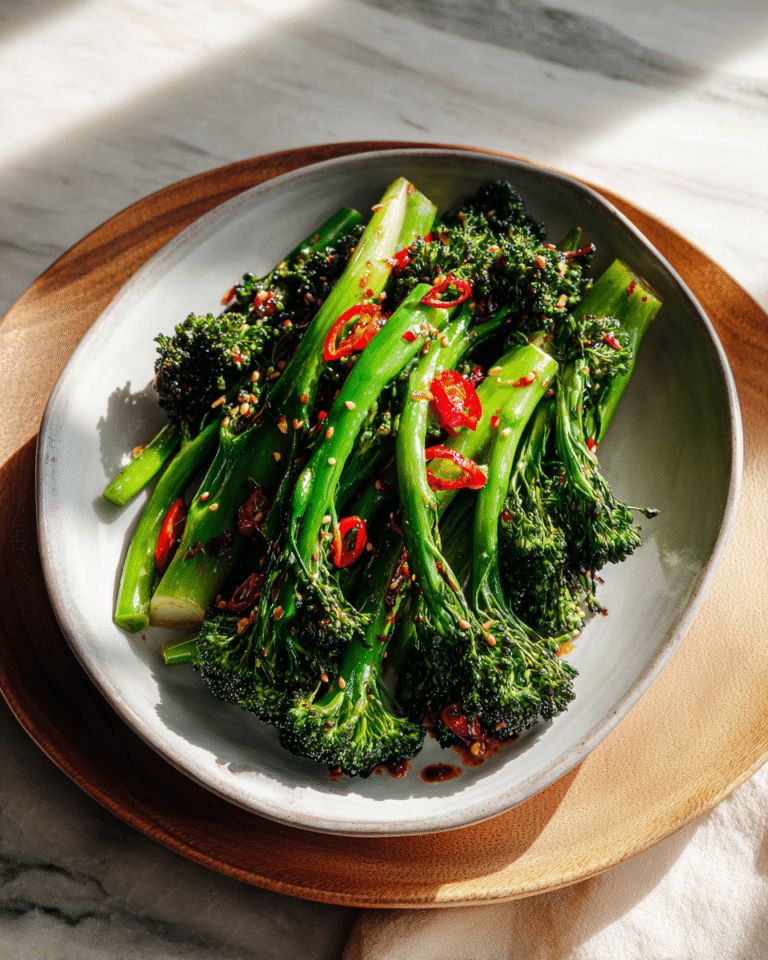
Spice Up Your Veggies with Gochujang Broccoli Magic
Learn how to make delicious Gochujang Broccoli. Easy recipe with step-by-step instructions.
- Total Time: 45 minutes
- Yield: 4 servings 1x
Ingredients
- 1 large head of broccoli (about 4 cups florets)
- 2 tablespoons gochujang (Korean chili paste)
- 1 tablespoon soy sauce (low sodium preferred)
- 1 tablespoon honey or maple syrup (for a touch of sweetness)
- 1 tablespoon sesame oil
- 2 cloves garlic, minced
- 1 teaspoon rice vinegar or apple cider vinegar
- 1 tablespoon toasted sesame seeds (for garnish)
- 1 tablespoon vegetable oil (for roasting)
- Optional: 1 teaspoon grated fresh ginger for extra zing
If you don’t have gochujang on hand, you can substitute it with a mix of miso paste and a dash of chili sauce for a milder flavor. For soy sauce, tamari works well if you want a gluten-free option. And if you’re avoiding honey, maple syrup or agave syrup are easy swaps—my kids love the slightly different sweetness maple brings to the table.
Instructions
- Preheat your oven to 425°F (220°C). Line a baking sheet with parchment paper to catch any drips and make cleanup easier—trust me, this step saves time later!
- Wash and thoroughly dry the broccoli. Cut into bite-sized florets, about 1 to 1.5 inches each. I always remind my kids that drying veggies well is key to getting that nice roast instead of soggy steam.
- In a large bowl, toss the broccoli with vegetable oil, ensuring each floret is lightly coated. Spread them out evenly on the baking sheet in a single layer so they roast rather than steam.
- Roast the broccoli for 15-20 minutes, flipping halfway through. You’re looking for tender edges and just a bit of golden crispness. This roasting step is crucial—it brings out the natural sweetness in the broccoli.
- While the broccoli roasts, whisk together the gochujang, soy sauce, honey (or maple syrup), sesame oil, minced garlic, and vinegar in a small bowl. If you love ginger like I do, stir in that teaspoon of freshly grated ginger here too.
- Once the broccoli is roasted, transfer it back to the large bowl. Pour the gochujang sauce over the broccoli and toss gently to coat every floret with that vibrant, spicy glaze.
- Sprinkle toasted sesame seeds on top for a nutty crunch and a beautiful finish.
- Serve immediately, or keep warm in the oven for 5–10 minutes if your main dish needs a few extra minutes. My family always wants this right off the tray—it’s best enjoyed fresh and saucy!
I often make this dish right alongside our main course, and it’s become a little ritual in our home—my way of slowing down and savoring the moment, just like my grandmother taught me years ago.
- Prep Time: 15 minutes
- Cook Time: 30 minutes
- Category: Main Dish
- Method: Cooking
- Cuisine: International
Steps to Create Your Gochujang Broccoli
- Preheat your oven to 425°F (220°C). Line a baking sheet with parchment paper to catch any drips and make cleanup easier—trust me, this step saves time later!
- Wash and thoroughly dry the broccoli. Cut into bite-sized florets, about 1 to 1.5 inches each. I always remind my kids that drying veggies well is key to getting that nice roast instead of soggy steam.
- In a large bowl, toss the broccoli with vegetable oil, ensuring each floret is lightly coated. Spread them out evenly on the baking sheet in a single layer so they roast rather than steam.
- Roast the broccoli for 15-20 minutes, flipping halfway through. You’re looking for tender edges and just a bit of golden crispness. This roasting step is crucial—it brings out the natural sweetness in the broccoli.
- While the broccoli roasts, whisk together the gochujang, soy sauce, honey (or maple syrup), sesame oil, minced garlic, and vinegar in a small bowl. If you love ginger like I do, stir in that teaspoon of freshly grated ginger here too.
- Once the broccoli is roasted, transfer it back to the large bowl. Pour the gochujang sauce over the broccoli and toss gently to coat every floret with that vibrant, spicy glaze.
- Sprinkle toasted sesame seeds on top for a nutty crunch and a beautiful finish.
- Serve immediately, or keep warm in the oven for 5–10 minutes if your main dish needs a few extra minutes. My family always wants this right off the tray—it’s best enjoyed fresh and saucy!
I often make this dish right alongside our main course, and it’s become a little ritual in our home—my way of slowing down and savoring the moment, just like my grandmother taught me years ago. Learn more: Sweet and Savory Delight Honey Butter Skillet Corn Recipe
Tips for Making the Best Gochujang Broccoli
There’s a certain magic in simplicity, but a few little tips will make your Gochujang Broccoli truly shine:
- Don’t skip drying the broccoli: Moisture is the enemy of crisp roasting. Pat dry thoroughly to get those beautiful roasted edges.
- Customize the heat: Gochujang can vary in spiciness. Start with 2 tablespoons, then taste and add a little more if you crave more kick. I’ve learned from my own family that it’s always better to add gradually, especially when kids are at the table.
- Roast in a hot oven: High heat is key to caramelizing the broccoli and locking in flavors.
- Use fresh garlic and ginger: It makes all the difference in flavor. I still remember how my grandmother emphasized fresh aromatics—they bring a dish alive!
- Toast your sesame seeds: If you have time, lightly toast them in a dry pan until golden. It adds a deeper nuttiness that makes this dish feel extra special.
Serving Suggestions and Pairings

Over the years, I’ve found this Gochujang Broccoli pairs beautifully with a variety of meals, making it a versatile addition to your weekly menu. Here are a few of my favorite ways to enjoy it:
- Alongside a simple steamed rice bowl with grilled chicken or tofu for an easy weeknight dinner.
- Tossed into a warm noodle salad with a drizzle of sesame oil and scallions for a fresh, satisfying lunch.
- Served with roasted meats, like a Sunday roast chicken, where the spicy broccoli adds a vibrant pop of flavor to the plate.
- Mixed into a grain bowl with quinoa, avocado, and pickled veggies for a nutrient-packed meal that feels both hearty and fresh.
One of my fondest family memories is serving this dish during a casual dinner with friends. The way everyone reached for seconds—and the lively conversation that followed—reminded me how food is truly the heart of connection.
Storage and Reheating Tips
Life gets busy, and I totally understand the need to make dishes that can stretch beyond one meal. Here’s how to keep your Gochujang Broccoli tasting fresh:
- Storage: Store leftovers in an airtight container in the refrigerator for up to 3 days. The broccoli may soften a bit over time, but the flavors will deepen beautifully.
- Reheating: Reheat gently in a skillet over medium heat, stirring occasionally. Adding a splash of water or a little extra sesame oil helps revive the sauce and prevents drying out.
- Freezing: I don’t recommend freezing this dish as the texture of roasted broccoli changes significantly, but you can freeze the gochujang sauce separately for up to a month.
Whenever I reheat leftovers, I like to sprinkle a few fresh sesame seeds or chopped scallions on top to brighten the flavors and add a little fresh crunch.
Frequently Asked Questions
What are the main ingredients for Gochujang Broccoli?
The main ingredients for Gochujang Broccoli include the items listed in our ingredients section above. Each ingredient plays a crucial role in achieving the perfect flavor and texture.
How long does it take to make Gochujang Broccoli?
The total time to make Gochujang Broccoli includes both preparation and cooking time. Check the recipe card above for exact timing details.
Can I make Gochujang Broccoli ahead of time?
Yes, Gochujang Broccoli can often be prepared in advance. Store it properly in an airtight container in the refrigerator and consume within the recommended timeframe.
What can I serve with Gochujang Broccoli?
Gochujang Broccoli pairs well with various sides and accompaniments. Consider the serving suggestions mentioned in the recipe for the best dining experience.
Is Gochujang Broccoli suitable for special diets?
Depending on the ingredients used, Gochujang Broccoli may be adapted for various dietary needs. Check the ingredients list and consider substitutions as needed for your dietary requirements.
Final Thoughts
Gochujang Broccoli is one of those recipes that embodies everything I love about cooking at home: it’s quick, vibrant, and packed with flavor, but also deeply connected to the moments of togetherness that matter most. From my grandmother’s kitchen lessons to my own family’s dinner table, this dish carries forward that sense of love and connection through every bite.
Whether you’re a seasoned cook or just looking for a new way to enjoy vegetables, I hope this recipe brings a little joy and warmth to your kitchen too. Cooking, after all, is more than just preparing food—it’s about slowing down, sharing stories, and inviting those you love to pull up a chair. So go ahead, try this Gochujang Broccoli, and watch how a simple side can turn into a family favorite and a new story to tell.